Find the real cost of a full roof replacement on a 1,200 sq ft house in Metro Atlanta, including tear-off, labor, and materials. This comprehensive guide breaks down the estimated price range for asphalt shingles, providing homeowners with detailed insights into every step of the process.
Introduction
A roof replacement is a significant and necessary investment for any homeowner. If you own a home around 1,200 square feet in the Metro Atlanta area, you are likely looking for an accurate estimate for a full tear-off and replacement. Before making a decision, it’s wise to consult a local roofing company for expert guidance and questions to ask.
The good news is that due to their smaller size, 1,200 sq ft homes are typically less expensive to re-roof than larger properties and often provide a quick project turnaround. Roof size is a primary determinant of cost—larger roofs generally cost more to replace because of increased material and labor requirements. The bad news is that the final price can still fluctuate based on shingle quality, the complexity of your roof design, and structural repairs.
At Pro Roofing & Siding, we specialize in providing transparent and comprehensive quotes. We’ll break down the average cost range for a full tear-off and replacement on a typical 1,200 sq ft home and highlight the several factors—including roof size, shingle quality, and roof complexity—that determine your final investment.
Understanding the Old Roof
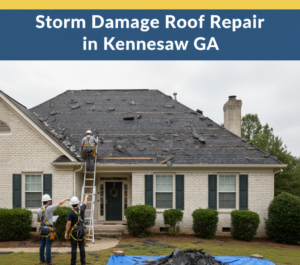
Smart contractors assess your old roof first. Period. We inspect existing materials. Check the roof’s age. Look for curling shingles. Spot buckling problems. Find missing pieces—especially on older asphalt roofs. This evaluation answers the big question: complete tear off or targeted fixes? We catch water damage early. Identify rot before it spreads. Address underlying problems now, not later. Understanding your roof’s real condition drives better planning. Sets up the replacement process for success. Ensures your new roof sits on solid ground. Delivers lasting protection that actually lasts. During the tear-off process, your roofing contractor will remove the old roofing materials section-by-section to prepare for your new roof installation. Roofers typically remove all the old roofing at once to prevent leaving sections exposed for too long during the tear-off process. The roofing crew will use special tools designed to pry up the old roofing materials during the tear-off process. High winds can lift, loosen, and tear off shingles, while hail can cause dents, cracks, or punctures in roofing materials. This assessment step makes or breaks your entire roofing project.
Preparing the Job Site
Smart job site prep makes roof tear-offs run smooth. Period. We clear everything around your home first—outdoor furniture, grills, decorations. Gone. Your landscaping gets heavy-duty tarps. No exceptions. We set up scaffolding, ladders, and safety harnesses before our crew touches a single shingle. Safety isn’t negotiable. Dumpsters go exactly where they need to be—close enough for quick debris removal, positioned so we’re not damaging your driveway. This matters. Proper prep means no property damage, no delays, no mess left behind. Your project stays on schedule. Your yard stays clean. That’s how professionals work. A roof tear-off is a labor-intensive process that takes considerable time and may need to be done in stages for larger roofs.
The Average Cost Range for a 1,200 Sq Ft Roof
The single most important factor to understand is that roofing contractors price jobs based on the roof’s surface area, not the interior square footage of the house. Due to roof pitch (slope) and overhangs, a 1,200 sq ft house typically requires a roof surface area of approximately 1,400 to 1,800 square feet, which is 14 to 18 roofing “squares.”
Based on current Metro Atlanta pricing for a full tear-off and replacement of the most common material, Asphalt Shingles, you can expect the cost to fall within this range:
$$text{Total Cost Range: } $5,500 text{ to } $10,000$$
This price range includes all costs associated with the project, including labor, materials, necessary underlayment, and debris disposal. Material costs—such as shingles, underlayment, flashing, and ventilation—make up a significant portion of the overall expense. In detailed roofing proposals, the tear off portion of the job is often listed as a separate line item, showing the specific cost for removing the old roof, though sometimes it may be bundled into overall labor charges.
Cost Breakdown by Shingle Type
The biggest factor influencing your price is the quality of shingle you select, which directly impacts durability and warranty length.
| Shingle Type | Estimated Cost Per Square Foot (Installed) | Total Estimated Range (14-18 Squares) | Average Lifespan |
| Basic 3-Tab (Economy Grade) | $3.50 – $5.00 | $4,900 – $9,000 | 15 – 20 Years |
| Architectural/Dimensional (Best Value) | $4.50 – $7.00 | $6,300 – $12,600 | 25 – 30 Years |
| Premium/Luxury (High Aesthetic) | $7.00 – $12.00 | $9,800 – $21,600 | 30 – 50 Years |
We highly recommend Architectural shingles for the best balance of longevity, durability against Georgia storms, and return on investment.
Why “Tear-Off” Costs Money
A major difference between a “re-cover” (laying new shingles over old) and a full “tear-off” is the cost of removing and disposing of the old material. Tearing off the old roofing is more expensive, especially if your roof has multiple layers of shingles, as each additional layer increases the complexity and cost of removal. Most building codes allow a maximum of two layers before a full tear-off is required. A tear-off is required by code if you have two or more layers of shingles, or if your roof deck has damage.
- Tear-Off Cost: This typically adds $1,000 to $2,500 to the total project cost for labor and dumpster fees, depending on the number of layers and the size of your roof. A full tear-off involves removing the entire roof down to the decking.
- The Benefit: A full tear-off allows your contractor to inspect the underlying roof decking for rot and ensures the new shingles lie perfectly flat, maximizing their lifespan and warranty.
Full Tear Off vs Roof Overlay
Planning a roof replacement? You’ve got two main choices: full tear off or overlay. Full tear off strips everything down to the deck. Smart move. Your contractor spots hidden damage. They ensure proper ventilation. They install a system that meets current codes. This approach fixes underlying problems. You get the best long-term performance. You get solid warranty coverage. Roof overlay? That’s new shingles right over your existing roof. Saves money upfront. Cuts installation time. Roof overlays can save $1,000 to $3,000 upfront compared to a complete tear-off, but they often lead to higher long-term costs. But here’s the catch—overlays don’t fix structural problems lurking beneath. They create warranty headaches. They might not meet updated building codes. New shingles installed over old ones typically last 15-20% less than those installed on a clean deck after a tear-off. Most reputable roofing companies recommend a full tear-off to ensure the highest quality installation. Talk with a professional roofing contractor. Weigh the real costs and benefits of each method. Your new roof needs to be both durable and compliant.
4 Hidden Factors That Affect Your Final Price
The estimates above are for an average-complexity roof. It’s important to note that failing to address structural issues or properly inspect the home’s structure during a roof replacement can lead to serious problems in the future. While overlays may offer short term savings, they can result in much higher costs if underlying issues are missed. Regular roof inspections should be scheduled at least once or twice a year, ideally during spring and fall, and after major storms. These four factors can increase your final quote: Roof tear-off costs can increase by $1-$2 per square foot for each additional layer beyond the first.
1. Wood Rot and Structural Damage
Georgia’s humidity can cause significant damage to the wood sheathing and fascia. If our team finds rotted plywood decking during the tear-off, those sheets must be replaced. If roof decking is required due to a large hole, it must be replaced with new plywood secured with galvanized nails.
- Cost Impact: Replacement decking can add $70 to $90 per sheet plus labor. This is often the most significant unexpected cost in a replacement.
2. Roof Pitch and Complexity
- Pitch: Steeper roofs (high pitch) are more dangerous to work on and require more time, specialized safety equipment, and staging, which increases labor costs.
- Complexity: A roof with many dormers, valleys, skylights, or chimneys requires more time for intricate flashing, cutting, and sealing—all of which increase the labor price per square. Roofs with multiple angles demand additional time and precision, as each change in direction requires careful adjustments. Roof penetrations such as chimneys, skylights, and vents further increase the complexity and cost of the project due to the need for custom work around these features.
3. Ventilation Upgrades
Proper attic ventilation is non-negotiable in the Atlanta climate. If your current roof lacks adequate ridge vents and intake vents, our experts will recommend an upgrade. This adds a cost but is essential for extending your new roof’s life and lowering your energy bills.
A roof tear-off also provides an opportunity to upgrade or replace insulation, which can significantly improve your home’s energy efficiency and comfort.
4. Warranty and Contractor Certification
A certified GAF Master Elite Contractor, like Pro Roofing & Siding, offers premium warranties that protect your investment for up to 50 years. This comprehensive warranty is factored into the price but guarantees certified labor and the highest quality materials, ensuring the lowest long-term cost.
Old Roofing Materials Disposal
Old roofing material disposal? Critical step in tear-off. Shingles, underlayment, debris—responsible contractors collect it all. They haul everything away from your property. Smart contractors go green. They recycle asphalt shingles when possible. All waste gets disposed of per local regulations. Proper disposal keeps your property clean and safe. It cuts your roof replacement’s environmental impact. The roofing company will arrange for a dumpster to be located just off the edge of the roof for easy disposal of old roofing materials. After the shingles and components are removed, the contractor must deal with the old nails from the roof’s decking. Labor typically accounts for 50-60% of the total roof tear-off cost. A temporary patch for small holes can be applied using roofing cement or sealant. Your contractor handles the entire process. Tear-off to final cleanup. Professional and responsible—that’s how it’s done.
DIY vs Professional Installation
Sure, DIY roof replacement looks tempting on paper. The reality? It’s a costly mistake waiting to happen. Professional contractors bring specialized tools, commercial-grade safety equipment, and years of hands-on expertise. They know building codes inside and out. They spot structural damage you’d miss. They install everything right the first time. DIY attempts lead to safety risks, botched installations, and expensive do-overs. Professional contractors back their work with real warranties that protect your investment. When you hire a qualified roofing contractor, you get quality work that’ll protect your home for decades. That’s not marketing talk—that’s proven results.
Conclusion + Call-to-Action
Replacing the roof on your 1,200 sq ft home is a crucial roofing project that offers decades of protection and greatly increases your home’s value. A quality roof protects your home and belongings from the elements, preventing costly damage and providing peace of mind. While the average cost for a high-quality Architectural Shingle system is between $6,300 and $12,600, choosing a certified contractor who guarantees a thorough tear-off and expert installation is the best way to ensure your investment is protected from the Georgia weather. Maintaining your gutters is also essential to maximize the longevity and effectiveness of your new roof. Choosing a tear-off over an overlay can provide better warranty protection from manufacturers. The cost of a roof tear-off typically ranges from $5,700 to $16,000 for most homes, with high-end projects reaching $30,000 or more.
Call Pro Roofing & Siding today at (770) 777-1733 for a free, detailed, and accurate estimate tailored to your 1,200 sq ft home, or visit www.myproroofing.com to schedule your inspection.